

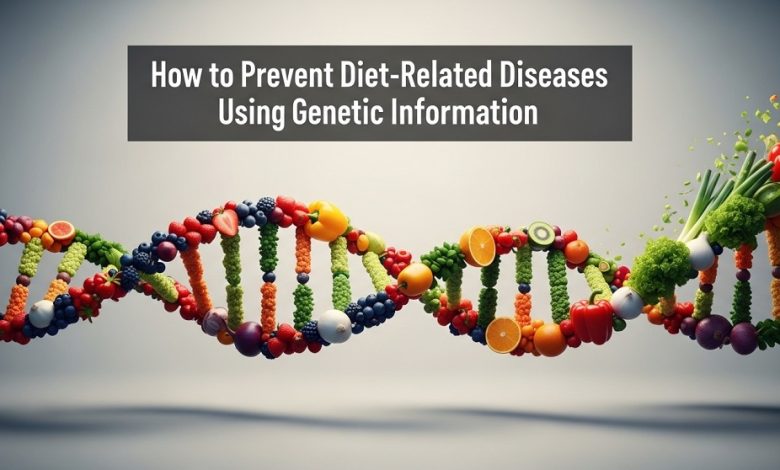
Genetic information can help prevent diet-related diseases by identifying how your body processes nutrients, reacts to specific foods, and responds to metabolic risk factors—allowing you to personalize nutrition before illness develops.
Many people follow popular diets yet still develop conditions like type 2 diabetes, obesity, cardiovascular disease, and fatty liver disease. The frustration is real. You eat “healthy,” reduce sugar, or try intermittent fasting—but results vary. Why? Because nutrition is not one-size-fits-all. Your DNA influences how your body metabolizes fats, carbohydrates, salt, caffeine, and vitamins.
Diet-related diseases now account for nearly one in five deaths globally, according to research published in The Lancet. That means prevention must start earlier—and smarter.
Genetic nutrition, also called nutrigenomics, studies how genes interact with diet to reduce disease risk. Instead of reacting to symptoms later, it helps predict vulnerabilities today.
This guide explains how genetic insights can help you prevent chronic disease through targeted food choices, lifestyle adjustments, and evidence-based nutrition strategies.
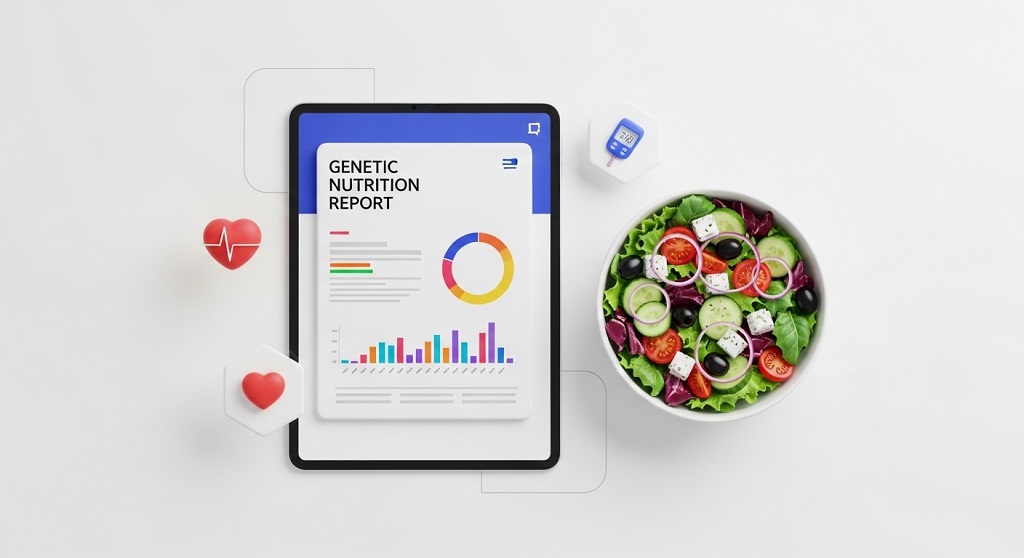
What Is Genetic Information in Nutrition and Disease Prevention?
Genetic information in nutrition refers to DNA-based insights that explain how your body processes nutrients and responds to dietary patterns.
Your genes influence enzyme production, insulin sensitivity, lipid metabolism, inflammation levels, and micronutrient absorption. These factors shape disease risk long before symptoms appear.
Examples include:
- The FTO gene linked with obesity risk
- The APOE gene associated with cholesterol metabolism
- The MTHFR gene affecting folate processing
- The LCT gene influencing lactose intolerance
- The CYP1A2 gene determining caffeine sensitivity
Understanding these variations allows nutrition plans to shift from general advice to precision prevention.
How Can Genetic Testing Help Prevent Diet-Related Diseases?
Genetic testing identifies inherited metabolic tendencies so individuals can adjust diet early and reduce long-term disease risk.
Instead of waiting for elevated cholesterol or blood glucose, DNA testing highlights predispositions decades earlier.
Common prevention benefits include:
- Reducing risk of insulin resistance
- Managing cholesterol proactively
- Optimizing vitamin absorption
- Preventing inflammation-related diseases
- Supporting weight regulation
For example, individuals with APOE variants linked to cardiovascular disease often benefit from lower saturated fat intake and higher omega-3 consumption.
This transforms nutrition into a preventive strategy rather than a reactive treatment.
Which Diet-Related Diseases Can Be Prevented Using Genetic Insights?
Genetic nutrition can help reduce the risk of obesity, diabetes, cardiovascular disease, hypertension, and nutrient deficiency disorders.
These conditions share metabolic pathways influenced by gene expression and dietary behavior.
Can genetics predict diabetes risk?
Yes, genes affecting insulin signaling and glucose metabolism can indicate susceptibility to type 2 diabetes.
Variants in genes like TCF7L2 influence glucose regulation. Individuals with these variants often respond better to high-fiber diets and controlled carbohydrate intake.
Can genetic data help prevent heart disease?
Yes, cholesterol-processing genes can guide fat intake decisions that reduce cardiovascular risk.
For example:
- APOE variants affect LDL cholesterol response
- LPL influences triglyceride breakdown
- CETP regulates HDL levels
Adjusting dietary fats based on these insights improves long-term heart health outcomes.
How Does Nutrigenomics Personalize Dietary Recommendations?
Nutrigenomics personalizes nutrition by matching dietary strategies to gene-based metabolic responses.
Instead of general advice like “eat fewer carbs,” nutrigenomics answers:
- Which carbs affect your glucose levels most?
- How efficiently do you metabolize fats?
- Which vitamins require supplementation?
- How sensitive are you to sodium?
This allows highly targeted prevention strategies.
| Genetic Factor | Dietary Adjustment | Health Benefit |
|---|---|---|
| APOE variant | Reduce saturated fat | Lower cholesterol |
| MTHFR mutation | Increase methylated folate | Improve cardiovascular health |
| FTO variant | Increase protein intake | Support weight control |
| CYP1A2 slow metabolizer | Limit caffeine | Reduce hypertension risk |
What Role Do Genes Play in Obesity and Weight Gain?
Genes influence appetite regulation, fat storage, metabolism speed, and response to exercise.
Research shows genetics accounts for roughly 40–70% of obesity susceptibility. However, lifestyle determines whether those risks activate.
The FTO gene affects:
- Hunger hormone signaling
- Calorie preference
- Energy expenditure
People with FTO risk variants often benefit from higher protein diets and structured meal timing.
Can genetic obesity risk be reversed with diet?
Yes, targeted nutrition and physical activity significantly reduce expression of obesity-related genes.
This demonstrates that genes influence risk—not destiny.
How Can Genetic Information Improve Vitamin and Mineral Intake?
Genetic variations affect how efficiently the body absorbs and activates essential micronutrients.
Examples include:
- MTHFR variants reducing folate conversion
- VDR gene influencing vitamin D activity
- HFE mutations affecting iron absorption
- BCMO1 impacting vitamin A conversion
Correcting these inefficiencies prevents long-term complications like anemia, fatigue, neurological dysfunction, and immune weakness.
Should everyone take supplements based on DNA tests?
No, supplementation should be personalized and guided by both genetic results and clinical testing.
Genes suggest tendencies. Blood biomarkers confirm needs.
Can Genetic Information Help Prevent High Blood Pressure?
Yes, genes regulating sodium sensitivity and vascular tone influence hypertension risk and dietary response.
Some individuals experience stronger blood pressure increases from salt intake due to genetic variants in:
- ACE gene
- AGT gene
- SLC4A5 gene
Reducing sodium intake and increasing potassium-rich foods like spinach, bananas, and legumes lowers risk significantly in these populations.
Is salt sensitivity genetic?
Yes, genetic differences determine whether sodium intake strongly affects blood pressure.
This explains why some people tolerate salt better than others.
How Does Genetic Information Influence Cholesterol Management?
Genes regulate how the body transports, produces, and clears cholesterol from the bloodstream.
Variants in APOE, LDLR, and PCSK9 influence LDL levels and cardiovascular risk.
Dietary strategies based on genetic risk include:
- Replacing saturated fats with monounsaturated fats
- Increasing soluble fiber intake
- Consuming omega-3 fatty acids
- Limiting processed foods
Precision nutrition improves lipid profiles faster than generalized dietary advice.
Is Genetic Nutrition Testing Accurate and Reliable?
Modern genetic nutrition testing provides useful risk insights, but results should be interpreted alongside clinical data and lifestyle factors.
Direct-to-consumer testing platforms analyze SNPs (single nucleotide polymorphisms) associated with metabolic health.
However:
- Genes interact with environment
- Diet influences gene expression
- Sleep and stress modify outcomes
- Physical activity changes metabolic response
Genetic testing works best as part of a comprehensive preventive health strategy.
National Institutes of Health : Nutrigenomics: The Role of Genetics in Nutrition — Perfect for explaining how genes interact with nutrients.
How Can You Use Genetic Information to Build a Preventive Diet Plan?
A preventive genetic diet plan combines DNA insights with biomarker testing, lifestyle assessment, and long-term nutrition habits.
Practical steps include:
- Identify metabolism-related variants
- Adjust macronutrient ratios
- Optimize micronutrient intake
- Control inflammatory triggers
- Monitor metabolic markers regularly
For example, someone with insulin sensitivity risk variants benefits from:
- Low glycemic carbohydrates
- High fiber intake
- Regular strength training
- Balanced meal timing
This approach prevents disease progression before symptoms appear.
Conclusion
Genetic information transforms nutrition from guesswork into precision prevention.
Instead of reacting to chronic disease after diagnosis, nutrigenomics allows early intervention through targeted dietary strategies. Understanding how your body processes fats, carbohydrates, vitamins, and sodium helps reduce long-term risks linked to diabetes, obesity, heart disease, and hypertension.
The key insight is simple: your genes provide a roadmap—but your choices determine outcomes.
If you want to protect long-term metabolic health, consider combining genetic insights with clinical screening and personalized nutrition planning. Small adjustments today can prevent major health complications tomorrow.
FAQ: Genetic Nutrition and Disease Prevention
Can DNA testing replace traditional medical tests?
No, genetic testing complements but does not replace clinical diagnostics. Blood tests remain essential for confirming nutrient deficiencies and disease markers.
Is nutrigenomics scientifically proven?
Yes, growing research supports gene–diet interactions affecting metabolism and chronic disease risk. However, recommendations should be evidence-based and personalized.
How expensive is genetic nutrition testing?
Costs vary widely but are becoming more affordable as technology advances. Many preventive health programs now include nutrigenomic screening.
Who benefits most from genetic nutrition plans?
Individuals with family histories of diabetes, obesity, or cardiovascular disease benefit the most. Early intervention reduces inherited risk.
Can lifestyle override genetic risk?
Yes, diet, exercise, sleep, and stress management significantly influence gene expression. Genes increase susceptibility but do not determine outcomes.
Read More What Is the Difference Between Health and Wellness?
Discover How Walking Every Day Changes Your Body and Life
