Finding truly healthy cereal can feel like searching for a needle in a haystack. Many cereals claim to be nutritious while hiding excessive amounts of sugar. However, organic cereals with no hidden sugars do exist. This guide helps you identify genuinely healthy options and understand what to look for when shopping.
Understanding Hidden Sugars in Cereal
Hidden sugars appear on ingredient labels under many different names. Manufacturers use these alternative names to make products seem healthier than they actually are. Common sugar aliases include evaporated cane juice, brown rice syrup, maltodextrin, dextrose, and fruit juice concentrate.
These ingredients are still sugar despite their natural-sounding names. Your body processes them the same way as regular table sugar. Therefore, reading ingredient lists carefully becomes essential for making informed choices.
The American Heart Association recommends limiting added sugar intake. Children should consume no more than 25 grams of added sugar daily. Adults should aim for 25 grams for women and 36 grams for men. Many breakfast cereals contain half this amount in a single serving.
Why Choose Organic Cereal
Organic cereals offer several advantages beyond sugar content. These products use grains grown without synthetic pesticides or fertilizers. Additionally, organic farming practices promote soil health and environmental sustainability.
Organic certification requires strict standards. Farmers cannot use genetically modified organisms in organic products. Furthermore, organic processing prohibits artificial preservatives, colors, and flavors. These restrictions often result in cleaner ingredient lists.
Choosing organic also means avoiding glyphosate residues. This herbicide appears in many conventional grain products. According to CNN, studies have detected glyphosate in popular cereal brands. Organic options eliminate this concern entirely.
However, organic does not automatically mean sugar-free. Some organic cereals still contain high sugar levels. Therefore, you must check both the organic label and the sugar content.
How to Read Cereal Nutrition Labels
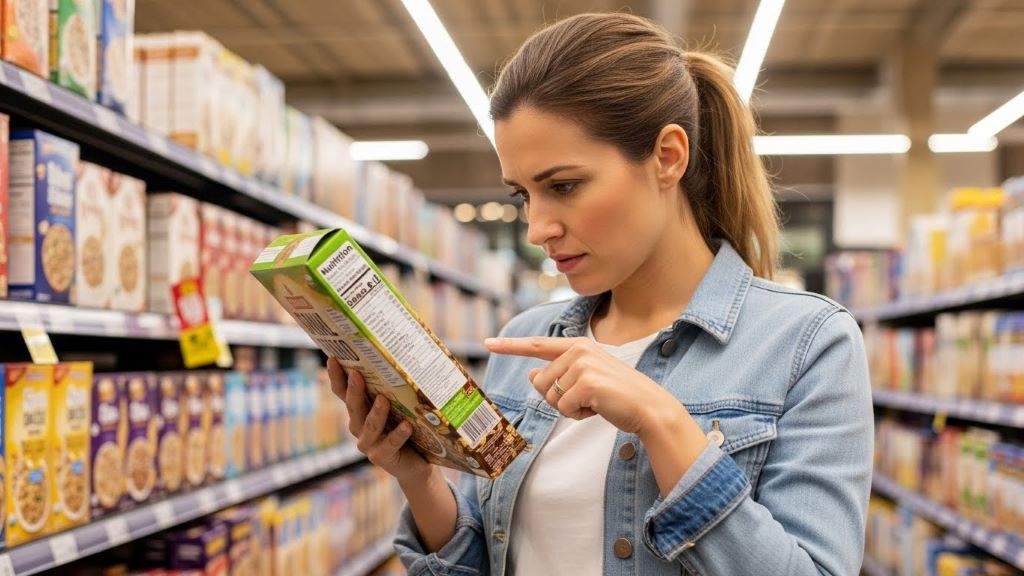
The nutrition facts panel provides crucial information about sugar content. Look at the total sugars line first. This number includes both natural and added sugars. Then, check the added sugars line directly below it.
Added sugars tell the real story. Natural sugars from ingredients like raisins or dates appear in total sugars but not in added sugars. Consequently, a cereal with dried fruit might show higher total sugars while having zero added sugars.
Serving sizes can be misleading. Many cereals list unrealistically small serving sizes to make nutrition numbers look better. Compare your actual portion to the listed serving size. You might consume two or three times the suggested amount.
The ingredient list appears in descending order by weight. Ingredients listed first make up the largest portion of the product. If sugar or its aliases appear in the first three ingredients, the cereal likely contains too much sugar.
Best Grain Choices for Sugar-Free Cereals
Whole grains provide the foundation for healthy cereals. Oats rank among the best choices. They contain soluble fiber that helps regulate blood sugar and promotes heart health. Steel-cut oats and rolled oats offer maximum nutritional benefits.
Wheat varieties like spelt, kamut, and whole wheat berries provide excellent options. These ancient grains deliver robust flavor and nutritional density. Moreover, they require minimal processing, which preserves their natural nutrients.
Rice-based cereals can work well if made from whole grain brown rice. White rice puffs lack fiber and nutrients. Similarly, corn-based cereals should use whole grain corn rather than refined corn flour.
Quinoa and amaranth bring impressive protein content to breakfast cereals. These pseudo-grains contain all essential amino acids. Additionally, they provide iron, magnesium, and other vital minerals.
Top Organic Cereal Brands Without Hidden Sugars
Several brands consistently deliver organic cereals with minimal or no added sugars. Nature’s Path offers numerous options including their Heritage Flakes and Multigrain Oatbran Flakes. These products contain zero added sugars while providing whole grain nutrition.
Cascadian Farm produces organic cereals with clean ingredients. Their Purely O’s contain just one ingredient: organic whole grain oats. This simplicity eliminates any possibility of hidden sugars.
Arrowhead Mills specializes in organic whole grain products. Their puffed cereals contain single ingredients with no added sweeteners. Options include puffed wheat, puffed rice, and puffed millet.
Barbara’s Bakery creates organic cereals focused on whole grains. Their Shredded Wheat and Puffins Original contain no added sugars. Furthermore, their ingredient lists remain refreshingly short and transparent.
One Degree Organic Foods takes transparency seriously. They source organic grains and provide information about the farms growing their ingredients. Their sprouted cereals offer enhanced nutrition without added sugars.
Making Your Own Sugar-Free Granola
Creating homemade granola gives you complete control over ingredients. Start with organic rolled oats as your base. Add raw nuts and seeds for protein and healthy fats. Almonds, walnuts, pumpkin seeds, and sunflower seeds work beautifully.
Use minimal natural sweeteners if desired. A small amount of mashed banana or unsweetened applesauce provides light sweetness and helps ingredients bind together. Alternatively, skip sweeteners entirely and let the natural flavors shine.
Healthy fats help granola clusters form. Coconut oil, olive oil, or almond butter serve this purpose. Use just enough to lightly coat the ingredients. Too much fat makes granola greasy rather than crispy.
Bake at low temperature for even toasting. Spread the mixture thinly on baking sheets. Stir every 10 minutes to prevent burning. The granola continues crisping as it cools, so remove it from the oven while slightly soft.
Store homemade granola in airtight containers. It stays fresh for several weeks at room temperature. Making large batches saves time and ensures you always have healthy cereal available.
Spotting Marketing Tricks on Cereal Boxes
Food companies use clever marketing to make unhealthy cereals appear nutritious. Front-of-package claims like “made with whole grains” can be misleading. The cereal might contain mostly refined grains with just a small amount of whole grains added.
Similarly, “all natural” means very little legally. Natural cane sugar is still sugar. Natural flavors can include numerous processed ingredients. These terms create a health halo without guaranteeing actual nutritional value.
Cartoon characters and bright colors target children specifically. These marketing tactics work even when products contain excessive sugar. According to The New York Times, many popular children’s cereals contain more sugar than cookies. Parents must look beyond the attractive packaging.
Certifications provide more reliable information. Look for USDA Organic, Non-GMO Project Verified, and Whole Grain Council stamps. These third-party verifications confirm specific standards have been met.
Health Benefits of Sugar-Free Organic Cereal
Eating cereal without added sugars stabilizes blood sugar levels throughout the morning. You avoid the energy crash that follows sugary breakfast foods. Consequently, concentration and productivity improve during morning hours.
Reduced sugar intake supports better dental health. Sugar feeds harmful bacteria in your mouth. These bacteria produce acid that erodes tooth enamel. Starting your day sugar-free protects your teeth.
Weight management becomes easier without hidden sugars. Empty calories from added sugars contribute to weight gain without providing satiety. Whole grain cereals with fiber keep you fuller longer. Therefore, you naturally eat less throughout the day.
Long-term health improves dramatically. Excessive sugar consumption links to numerous health problems including type 2 diabetes, heart disease, and fatty liver disease. Choosing sugar-free cereals represents an important step toward better health.
Children benefit especially from sugar-free breakfasts. Their developing bodies need steady energy and real nutrition. Breaking the cycle of sugar dependence early establishes healthier eating patterns for life.
Enhancing Flavor Without Adding Sugar
Natural flavor enhancers make sugar-free cereal delicious. Cinnamon adds warmth and sweetness perception without any sugar. A light sprinkle transforms plain oatmeal or whole grain flakes. Additionally, cinnamon helps regulate blood sugar naturally.
Vanilla extract provides another sugar-free flavoring option. A few drops mixed into milk before adding cereal creates pleasant sweetness. Pure vanilla extract contains no sugar despite its sweet taste.
Fresh fruit adds natural sweetness and important vitamins. Berries, sliced bananas, or chopped apples complement any cereal. The fruit’s natural sugars come packaged with fiber that slows digestion. This combination prevents blood sugar spikes.
Unsweetened cocoa powder satisfies chocolate cravings healthily. It contains antioxidants and minerals without added sugar. Mix it into plain cereal for a treat that still supports your health goals.
Nuts and nut butters contribute richness and subtle sweetness. A spoonful of almond butter stirred into warm oatmeal creates creamy texture and satisfying flavor. The healthy fats and protein make breakfast more filling.
Transitioning Away from Sugary Cereals
Breaking sugar addiction takes time and patience. Your taste buds adapt slowly to less sweetness. Start by mixing half your regular cereal with a sugar-free option. Gradually increase the proportion of unsweetened cereal over several weeks.
Expect an adjustment period. Sugar-free cereals might taste bland initially. However, your palate changes within two to three weeks. Foods you once found tasteless become perfectly enjoyable. Natural flavors emerge that sugar previously masked.
Children need extra support during this transition. Involve them in choosing new cereals at the store. Let them help add fruit or other natural toppings. Making the change feel like an adventure rather than a restriction increases success.
Keep tempting sugary cereals out of the house. Having them available makes resistance difficult. Stock only healthy options so the choice becomes automatic. Eventually, those old favorites will taste cloyingly sweet.
Celebrate small victories along the way. Notice improved energy levels and better hunger management. These positive changes reinforce your commitment to sugar-free mornings. Over time, the new habit becomes effortless.
Shopping Tips for Finding Hidden Sugar-Free Options
Shop the perimeter of the health food section. Bulk bins often contain simple, single-ingredient cereals at better prices. You can buy exactly the amount you need. Furthermore, bulk options typically have less packaging waste.
Compare similar products side by side. Even within organic brands, sugar content varies dramatically. Take time to read several labels. The healthiest option might not have the flashiest packaging.
Watch for sales and stock up. Healthy cereals sometimes cost more than sugary options. Buying during promotions makes them more affordable. Properly stored, most dry cereals last several months.
Consider online shopping for specialty brands. Some excellent sugar-free organic cereals have limited distribution. Online retailers often carry wider selections. Additionally, you can read detailed product information and customer reviews.
Join store loyalty programs at health food stores. These programs often provide discounts on organic products. You receive notifications about sales on your favorite items. The savings add up significantly over time.
Common Mistakes to Avoid
Assuming all organic cereals are healthy represents a major pitfall. Organic sugar is still sugar. Some organic cereals contain as much or more sugar than conventional brands. Always check the nutrition label regardless of organic status.
Focusing solely on fat content while ignoring sugar is another mistake. Low-fat often means high-sugar. Manufacturers add sugar to improve taste when removing fat. Healthy fats from nuts and seeds actually benefit your body.
Eating too large of portions negates health benefits. Even sugar-free cereal can contribute to weight gain if consumed excessively. Measure your serving until you learn what appropriate portions look like.
Neglecting protein alongside cereal creates imbalanced meals. Carbohydrates alone cannot sustain energy through the morning. Add Greek yogurt, nuts, or eggs to round out your breakfast.
Giving up too quickly during the transition period prevents success. Your taste preferences will change with consistency. Push through the initial adjustment phase to experience the benefits.
Conclusion
Organic cereal with no hidden sugars provides a truly nutritious breakfast option. By learning to read labels carefully and recognize sugar’s many aliases, you can make informed choices. The best cereals contain whole grains, minimal ingredients, and zero added sugars. While transitioning away from sweetened cereals takes adjustment, the health benefits make the effort worthwhile. Your body will thank you with stable energy, better concentration, and improved long-term health. Start your day right by choosing cereals that nourish rather than just satisfy momentary sweetness cravings.
Frequently Asked Questions
What cereals have absolutely no sugar?
Plain puffed wheat, puffed rice, plain oats, and shredded wheat contain zero added sugars. Nature’s Path Heritage Flakes, Arrowhead Mills Puffed Cereals, and Cascadian Farm Purely O’s also have no added sugars. Always check the nutrition label for confirmation.
Is organic cereal really healthier than regular cereal?
Organic cereal avoids synthetic pesticides and artificial ingredients. However, organic does not guarantee low sugar content. Some organic cereals contain just as much sugar as conventional brands. Check both organic certification and sugar content for truly healthy choices.
How much sugar is acceptable in breakfast cereal?
Ideally, breakfast cereal should contain zero added sugars. If choosing cereals with small amounts of natural sweetness, aim for less than 5 grams of sugar per serving. The lower the sugar content, the better for your overall health.
Can sugar-free cereal help with weight loss?
Sugar-free cereal can support weight loss by eliminating empty calories and reducing blood sugar spikes. However, portion control and overall diet quality matter more than any single food choice. Combine sugar-free cereal with protein and healthy fats for best results.
Why do sugar-free cereals taste bland at first?
Years of eating sugary foods dull your taste buds to subtle flavors. When you remove excess sugar, your palate needs time to recalibrate. After two to three weeks, natural flavors become more apparent and sugar-free cereals taste perfectly satisfying.
Related Topics:
Art Therapy Activities for Stress Management
Are Olives Acidic? Definitive Guide to Olives