Why Gym Members in Houston, TX Struggle With Lower-Body Strength Progress After Switching Machines

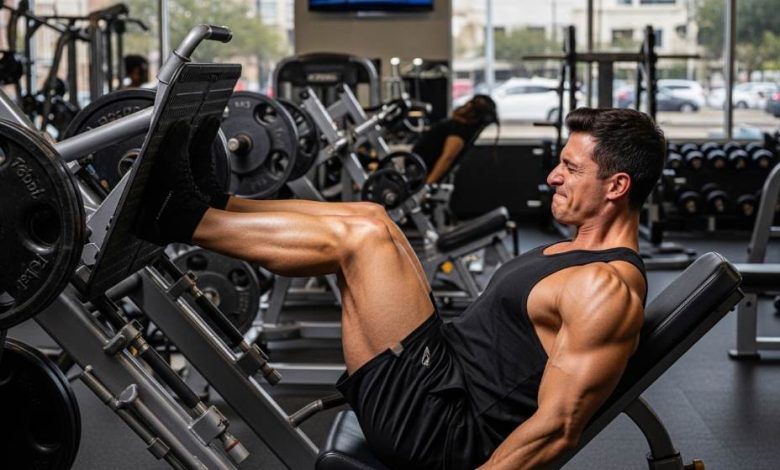
Many gym members in Houston, TX notice slower lower-body strength progress after changing workout machines. According to the International Health, Racquet & Sportsclub Association, nearly 30% of gym users switch equipment styles within the first six months. However, sudden changes often affect muscle activation and movement patterns. In many cases, people rely too heavily on machine settings instead of learning body mechanics. Some users also ignore the importance of the adjustable leg press resistance guide when transitioning between equipment types.
Houston’s intense humidity and long hot seasons also create hidden challenges for gym performance. Heat exposure increases fatigue, reduces hydration levels, and limits recovery quality after heavy leg workouts. As a result, gym members often blame the new machine instead of understanding the real issue. Different machines place stress on muscles in unique ways, especially during lower-body training. Therefore, learning how equipment changes affect strength adaptation becomes essential for long-term progress.
Machine Changes Alter Muscle Recruitment Patterns
Every lower-body machine activates muscles differently, even when exercises appear similar. A seated leg press targets muscles in a different sequence than a hack squat machine. Because of this, lifters may feel weaker after switching equipment styles. Furthermore, stabilizer muscles often receive less activation on newer guided machines. Many trainers discuss this issue while teaching targeted exercises and achieving better lower-body balance.
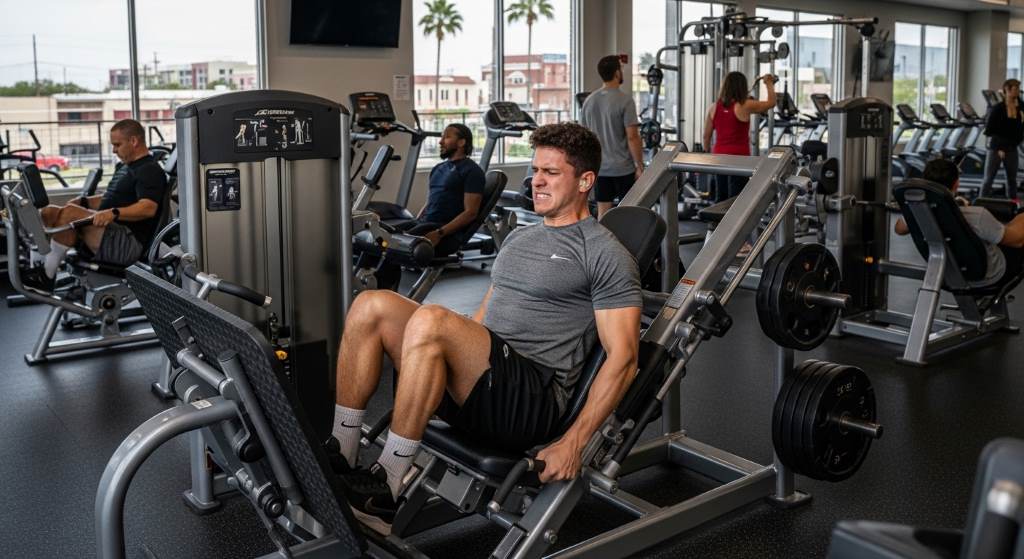
Muscle memory develops around specific movement patterns over time. Once someone changes machines, the nervous system must relearn force production mechanics. This adjustment phase often feels frustrating for experienced gym members. Consequently, people assume they lost strength when they actually face coordination changes. The body simply needs time to adapt to the new resistance path.
Foot positioning also changes significantly between machine brands and designs. Even a small shift in foot angle can reduce glute or quad activation. In Houston gyms, members often rotate between crowded machines during peak evening hours. This inconsistency makes lower-body progress harder to measure accurately. Therefore, regular machine switching creates unstable training conditions.
Common Muscle Activation Differences
- Hack squats emphasize quads more aggressively.
- Horizontal leg presses increase hip involvement.
- Smith machines reduce stabilizer engagement.
- Belt squats place less spinal pressure on lifters.
- Pendulum squats challenge balance and control.
Houston’s Climate Impacts Recovery and Performance
Houston’s weather creates unique recovery problems for active gym members. High humidity reduces sweat evaporation and raises internal body temperature during training. Consequently, many lifters experience faster exhaustion during lower-body sessions. Heavy leg training already places intense stress on the nervous system. Added environmental fatigue makes recovery slower and less effective.
Hydration problems also reduce muscle performance after machine transitions. When muscles lose proper hydration, contractions become weaker and less efficient. Many Houston residents spend time outdoors before visiting the gym after work. As a result, dehydration often begins before the workout even starts. This issue becomes worse during long summer heat waves.
Sleep quality also declines during hotter months in Texas. Poor sleep lowers testosterone production and reduces muscle repair speed overnight. Consequently, gym members struggle to recover from demanding lower-body workouts. New machines may feel harder simply because recovery capacity dropped. Therefore, climate management becomes an overlooked factor in strength progress.
Switching Machines Changes Joint Angles and Mobility Demands
Each machine design creates unique joint positioning during exercise execution. A leg press with a steeper angle increases hip compression during deep reps. In contrast, another design may place more pressure on the knees. Because of this, users often struggle with depth consistency after switching machines. Lower-body strength relies heavily on stable movement mechanics.
Mobility limitations become more obvious on unfamiliar equipment. Tight hips or ankles may not affect one machine but can restrict another completely. Houston office workers often spend long hours sitting before gym sessions. This lifestyle reduces mobility and increases stiffness in the lower body. Consequently, machine transitions expose weaknesses that previously stayed hidden.
Range of motion differences also affect muscle tension and workload. Some machines shorten movement depth while others allow deeper positions. Therefore, identical weight numbers may feel dramatically harder across equipment styles. Lifters sometimes reduce effort without realizing it due to discomfort. This hidden compensation slows long-term strength development.
Mobility Areas That Affect Lower-Body Machines
- Ankle flexibility during squats and presses.
- Hip mobility for deep knee bending.
- Core stability during unilateral movements.
- Thoracic posture during loaded exercises.
- Knee tracking control under resistance.
Overreliance on Machines Weakens Functional Strength
Many gym members depend entirely on machines because they feel safer and easier to control. However, machines often remove the stabilizer demands needed for real lower-body strength. Free-weight exercises train balance, coordination, and joint stability together. Without these qualities, strength progress eventually slows down. Experts often compare this imbalance with issues discussed in chest exercises without equipment routines that rely more on natural movement.
Machine-only training also limits athletic carryover into daily activities. Real-life movements require coordination between multiple muscle groups at once. A guided machine path removes many of those demands from the body. Consequently, gym users may build isolated muscle strength without improving functional performance. This disconnect becomes obvious after switching machine styles.
Houston fitness culture also influences training habits heavily. Many commercial gyms promote advanced-looking machines as superior training options. New members often chase trendy equipment instead of mastering basic movement patterns first. Therefore, people overlook foundational lower-body mechanics during their strength journey. Consistency suffers when flashy equipment becomes the main focus.
Psychological Factors Slow Strength Adaptation
Confidence plays a major role in lower-body training performance. When gym members switch machines, uncertainty often affects effort levels immediately. People naturally hesitate on unfamiliar equipment because they fear injury or embarrassment. Consequently, they reduce training intensity without noticing the change. Lower effort leads directly to slower strength progress.
Gym environments in Houston can also create mental pressure during busy hours. Crowded gyms increase anxiety around machine setup and exercise execution. Some lifters rush through workouts to avoid waiting for equipment. As a result, movement quality and focus decline significantly. This rushed training style limits proper muscle adaptation.
Tracking progress also becomes harder when machines vary between gym locations. Weight calibration differs across manufacturers and maintenance conditions. Therefore, comparing strength levels between machines becomes unreliable. Lifters may feel discouraged despite making real progress physically. Mental frustration then reduces workout consistency over time.
Psychological Signs Affecting Performance
- Fear of trying heavier resistance.
- Reduced confidence on unfamiliar machines.
- Workout rushing during crowded hours.
- Overthinking machine settings.
- Comparing performance unfairly between gyms.
Poor Programming Creates Plateaus After Equipment Changes
Many people switch machines without adjusting workout programming correctly. Different equipment changes muscle fatigue rates and recovery demands immediately. However, users often continue using identical sets, reps, and rest periods. This mismatch creates unnecessary fatigue and slower strength adaptation. Proper programming should match the machine’s mechanical demands.
Volume overload becomes especially common with lower-body training. Lifters sometimes add more exercises because new machines feel exciting initially. Unfortunately, excessive volume reduces recovery quality and increases soreness. Houston’s heat and active lifestyles make recovery even more difficult. Therefore, strategic programming matters more than machine variety alone.
Progressive overload also becomes inconsistent after switching machines frequently. Strength development requires measurable increases in workload over time. However, changing equipment every week disrupts performance tracking completely. Lifters lose the ability to compare progress accurately between sessions. Consequently, real lower-body strength improvements slow down.
Nutrition and Recovery Mistakes Limit Lower-Body Growth
Lower-body muscles require substantial recovery support after intense training sessions. Many gym members underestimate calorie and protein demands during strength-focused programs. Insufficient nutrition limits muscle repair and glycogen restoration after workouts. Consequently, performance declines faster after machine transitions. Recovery quality determines long-term lower-body progress.
Houston’s warm climate also increases electrolyte loss through sweat. Sodium, potassium, and magnesium play critical roles in muscle contractions and recovery. Without proper replenishment, leg workouts feel heavier and less productive. Many people focus only on water intake while ignoring mineral balance. Therefore, recovery remains incomplete despite consistent gym attendance.
Stress management also affects lower-body strength more than most people realize. High cortisol levels interfere with recovery and muscle-building processes directly. Long work hours and city traffic often increase stress for Houston residents. As a result, recovery quality suffers outside the gym environment. Stronger recovery habits improve machine adaptation significantly.
How Houston Gym Members Can Improve Lower-Body Strength Again
Consistency should become the first priority after switching machines. Using the same equipment for several weeks allows movement patterns to stabilize naturally. This consistency improves nervous system adaptation and strength confidence over time. Lifters should also track performance carefully instead of relying on memory. Small improvements often indicate real progress.
Mobility training also helps reduce discomfort on unfamiliar machines. Dynamic warmups prepare joints and muscles for deeper movement ranges safely. Houston gym members benefit greatly from stretching tight hips and ankles regularly. Better mobility improves exercise mechanics and muscle activation immediately. Consequently, lower-body exercises feel smoother and more effective.
Hydration strategies should match Houston’s climate conditions year-round. Drinking fluids consistently throughout the day improves training endurance significantly. Electrolyte support also helps maintain muscle performance during heavy workouts. Additionally, cooling down properly after training reduces fatigue accumulation. Recovery habits matter just as much as exercise selection.
Best Practices for Lower-Body Strength Progress
- Stick with one machine setup consistently.
- Track weight, reps, and range of motion.
- Improve ankle and hip mobility weekly.
- Prioritize hydration during Houston summers.
- Balance machine work with free weights.
- Use controlled tempo during heavy sets.
Conclusion
Lower-body strength struggles after switching machines often result from multiple hidden factors working together. Machine mechanics, climate stress, recovery quality, and psychological confidence all influence progress significantly. Houston gym members must focus on consistency, mobility, and proper programming to regain steady improvement. Balanced training methods also create stronger long-term performance and injury prevention. If you want better results, start refining your recovery habits and explore smarter movement strategies like those discussed in is the deadlift a back exercise for stronger lower-body integration.
FAQs
Why do new gym machines feel harder even at the same weight?
Different machines change muscle activation, resistance angles, and movement mechanics.
Does Houston weather really affect gym performance?
Yes, high humidity and heat can increase fatigue and slow recovery significantly.
Should I avoid switching lower-body machines completely?
No, but you should allow enough time for your body to adapt properly.
Can machine-only workouts limit lower-body strength?
Yes, machines reduce stabilizer muscle engagement and functional movement development.
How long does it take to adapt to a new lower-body machine?
Most people need several weeks of consistent use to adjust fully.