


Outdoor living is a big part of life in Denver, where over 300 days of sunshine encourage people to spend time outside. Studies show that nearly 70% of homeowners in Colorado use outdoor scent-based products to improve comfort in patios and gardens. However, many people overlook how these products affect health and the environment. One growing concern involves citronella exposure side effects, especially in enclosed outdoor spaces. As Denver’s elevation and dry climate amplify scent diffusion, understanding these effects becomes essential. This guide breaks down common outdoor scented products and explains how they impact daily living in Denver.
Understanding Outdoor Scented Products in Denver
Outdoor scented products include candles, sprays, incense, and diffusers designed to repel insects or create a pleasant atmosphere. Many Denver residents rely on these items due to seasonal mosquito activity and outdoor entertaining habits. Because the city sits at a higher altitude, scents disperse differently compared to lower elevations. This means products may feel stronger or linger longer than expected. Additionally, Denver’s dry air can intensify chemical exposure through faster evaporation. Therefore, choosing the right product becomes more important than many people realize.
These products often contain natural or synthetic fragrances, each with different effects on the body and environment. Natural oils like citronella, eucalyptus, and lavender are popular choices for outdoor use. However, synthetic fragrances can include compounds that trigger allergies or respiratory irritation. In Denver’s dry climate, these effects may become more noticeable due to reduced moisture in the air. As a result, users should evaluate ingredients before regular use. Paying attention to labels helps prevent unnecessary exposure to harmful chemicals.
Common Types of Outdoor Scented Products
Citronella Candles
Citronella candles remain one of the most widely used outdoor products in Denver. People use them mainly to repel mosquitoes during summer evenings on patios and decks. These candles release a strong citrus-like scent that masks human odors, making it harder for insects to locate targets. However, prolonged exposure may lead to mild respiratory irritation in sensitive individuals. This risk increases when multiple candles burn in a confined outdoor space. Therefore, moderation is key when using citronella candles regularly.
Another factor to consider is how wind patterns in Denver affect candle performance. Because of frequent light breezes, the scent may disperse unevenly across outdoor areas. This often leads people to use more candles than necessary, increasing overall exposure. Additionally, burning candles release small amounts of soot and particulate matter into the air. While minimal, these emissions can accumulate during long gatherings. Choosing high-quality candles with clean-burning wicks can help reduce these effects.
Outdoor Incense and Smoke-Based Repellents
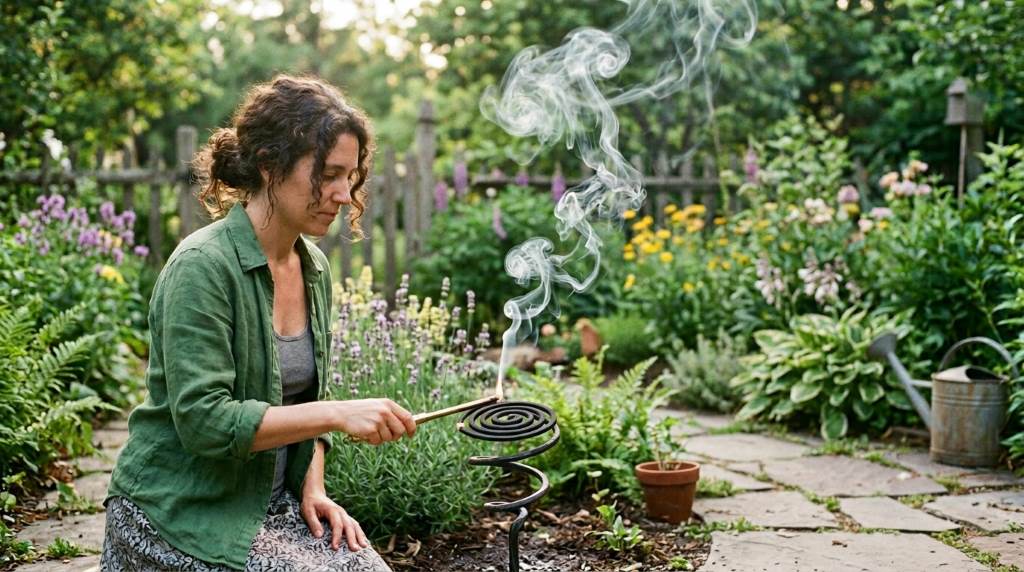
Outdoor incense sticks and coils offer another common solution for insect control. These products produce smoke that carries fragrance compounds designed to repel bugs. In Denver’s dry environment, smoke travels quickly and spreads across larger areas. While this can improve effectiveness, it also increases inhalation exposure. People with asthma or allergies may experience discomfort when exposed to continuous smoke. Therefore, placing incense strategically becomes essential for safer use.
Unlike candles, incense produces more visible smoke, which can affect air quality in small outdoor spaces. This becomes more noticeable during calm evenings when air movement is limited. Additionally, some incense products contain synthetic additives that may irritate the respiratory system. Reading product labels helps identify safer options with natural ingredients. Using incense sparingly can balance effectiveness with health considerations.
Essential Oil Diffusers for Outdoor Use
Portable outdoor diffusers have gained popularity in recent years, especially among health-conscious Denver residents. These devices disperse essential oils into the air without combustion, making them a cleaner alternative to candles or incense. Oils like peppermint, citronella, and lemongrass are commonly used for insect control. However, even natural oils can cause reactions in sensitive individuals. Overexposure may lead to headaches, dizziness, or skin irritation.
Denver’s climate plays a role in how diffusers perform outdoors. Dry air allows oils to evaporate quickly, which can reduce their effectiveness over time. As a result, users may increase oil concentration, unintentionally raising exposure levels. It is important to follow recommended dilution guidelines for safe use. Keeping diffusers at a distance from seating areas can also minimize direct inhalation. This approach helps maintain comfort without compromising effectiveness.
Scented Sprays and Yard Treatments
Scented sprays and yard treatments provide a quick and convenient way to manage outdoor pests. These products often contain a mix of essential oils and chemical compounds designed to repel insects. Many Denver homeowners apply them to patios, furniture, and garden areas before gatherings. While effective, these sprays can leave residues on surfaces and plants. Direct skin contact may cause irritation, especially in children or pets.
Another concern involves repeated application over time. Frequent use can lead to buildup in soil or on outdoor materials. In Denver’s dry conditions, residues may remain longer due to slower natural breakdown. This increases the likelihood of prolonged exposure. Choosing eco-friendly sprays with biodegradable ingredients can help reduce environmental impact. Additionally, applying sprays only when necessary can limit unnecessary exposure.
Health Effects of Outdoor Scented Products
Respiratory Impact
Outdoor scented products can affect respiratory health, especially when used in large quantities. In Denver, the combination of high altitude and dry air can make breathing more sensitive to irritants. Smoke from incense or candles may trigger coughing or throat irritation in some individuals. Even natural oils can produce strong vapors that affect airways. People with asthma should take extra care when using these products.
Proper ventilation plays a key role in reducing respiratory risks. Using scented products in open spaces allows fumes to disperse more effectively. However, enclosed patios or covered decks may trap these particles. Limiting use in such areas can improve air quality. Choosing smokeless options like diffusers can also reduce irritation. Awareness of personal sensitivity helps guide safer usage.
Skin and Eye Irritation
Many outdoor scented products contain compounds that can irritate the skin or eyes. Direct contact with sprays or oils may cause redness, itching, or mild burns. This risk increases when products are applied incorrectly or too frequently. In Denver’s dry climate, skin tends to be more sensitive due to lower moisture levels. Therefore, reactions may occur more easily compared to humid regions.
Eye irritation can also result from exposure to strong scents or smoke. Wind can carry particles directly into the eyes, causing discomfort. Wearing protective eyewear during application can help prevent this issue. Washing hands after handling scented products reduces accidental contact with sensitive areas. Taking these precautions ensures safer use during outdoor activities.
Allergic Reactions
Some individuals may experience allergic reactions to certain fragrance ingredients. Symptoms can include sneezing, headaches, or skin rashes. Synthetic fragrances often pose a higher risk compared to natural oils. However, even natural ingredients can trigger reactions in sensitive people. Identifying personal triggers is important for avoiding discomfort.
In Denver, seasonal allergies already affect many residents due to pollen and dry air. Adding scented products may worsen these symptoms. Choosing hypoallergenic options can help reduce risk. Testing new products in small amounts before full use is also a smart approach. This allows users to monitor reactions before widespread application.
Environmental Effects in Denver’s Climate
Outdoor scented products do not only affect human health but also impact the environment. In Denver, the dry climate slows down the breakdown of certain chemicals. This means residues can remain in soil or on surfaces longer than expected. Over time, this buildup may affect plant health or local ecosystems. Using eco-friendly products can help reduce these risks.
Wildlife may also be affected by strong scents and chemical compounds. Certain ingredients can disrupt natural insect behavior beyond targeted pests. This may impact pollinators like bees, which play a crucial role in local ecosystems. Choosing natural and biodegradable products helps protect beneficial insects. Responsible use supports both comfort and environmental balance.
Air quality is another important factor to consider. While outdoor use reduces concentration compared to indoor environments, emissions still contribute to overall pollution. In Denver, where air quality can fluctuate, minimizing unnecessary emissions is beneficial. Opting for low-smoke or smokeless products can make a difference. Small changes in usage habits can lead to meaningful environmental improvements.
Practical Tips for Safe Use
Using outdoor scented products safely requires a balanced approach. Denver residents can enjoy these products while minimizing risks by following simple guidelines. Paying attention to product type, placement, and frequency of use makes a noticeable difference. Small adjustments can improve both comfort and safety during outdoor activities.
- Use products in open, well-ventilated areas
- Avoid combining multiple scented products at once
- Choose natural or low-chemical formulations
- Limit duration of exposure during gatherings
- Store products properly to prevent degradation
Additionally, rotating between different types of products can reduce repeated exposure to the same compounds. For example, alternating between diffusers and candles helps balance usage. Monitoring how your body reacts to each product also provides valuable insight. Adjusting habits based on these observations leads to safer long-term use.
Related:
What to Think About Before Starting your Bathroom Refurbishment
Five Signs It Is Time to Replace Your Boiler
Choosing the Right Products for Denver Living
Selecting the right outdoor scented products depends on personal preferences and environmental factors. Denver’s unique climate requires products that perform well in dry, high-altitude conditions. Lightweight diffusers may work better than heavy smoke-based options in windy areas. Similarly, long-lasting formulations may reduce the need for frequent reapplication.
Reading labels carefully helps identify safer and more effective products. Look for items with clear ingredient lists and minimal synthetic additives. Certifications for eco-friendly or non-toxic products can provide additional assurance. Investing in quality products often leads to better performance and fewer side effects. Making informed choices supports both health and outdoor enjoyment.
Conclusion
Outdoor scented products can enhance comfort and enjoyment in Denver’s outdoor spaces, but they require careful use. Understanding how these products interact with the city’s climate helps prevent unwanted side effects. From respiratory concerns to environmental impact, each factor plays a role in overall safety. By choosing the right products and using them responsibly, you can create a pleasant outdoor environment without compromising health. Start evaluating your current products today and make smarter, safer choices for your outdoor lifestyle.
FAQs
What are the safest outdoor scented products to use?
Natural essential oil diffusers with proper dilution are generally the safest option.
Can citronella candles cause health issues?
Yes, prolonged exposure may lead to mild respiratory irritation in sensitive individuals.
Are outdoor incense products harmful?
They can be if used excessively, especially for people with asthma or allergies.
How does Denver’s climate affect scented products?
Dry air and high altitude can intensify scents and prolong exposure effects.
Should I avoid synthetic fragrances outdoors?
It is best to limit them, as they are more likely to cause irritation or allergic reactions.
