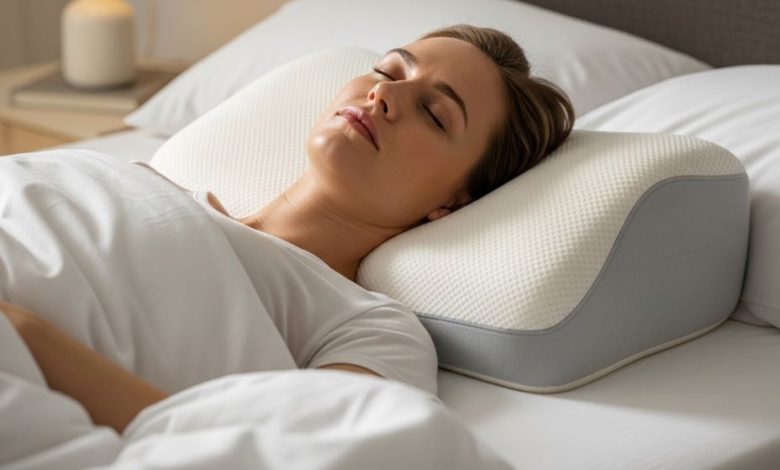
Waking up with a stiff, aching neck can ruin your entire day before it even begins. Many back sleepers struggle with chronic neck pain without realizing that their pillow is the primary culprit. The right pillow can transform your sleep quality and eliminate morning discomfort, while the wrong one perpetuates a cycle of pain and poor rest.
Your neck deserves the same attention you give to your mattress when it comes to sleep health. After all, you spend roughly one-third of your life with your head resting on a pillow. Therefore, choosing the right support for your sleeping position is crucial for maintaining proper spinal alignment and preventing pain.
This comprehensive guide will help you understand why back sleepers develop neck pain and how selecting the appropriate pillow can provide relief. You’ll learn about different pillow types, materials, and features specifically designed to support the unique needs of back sleeping. By the end, you’ll have the knowledge to make an informed decision that could change how you feel every morning.
Understanding Why Back Sleepers Experience Neck Pain
Back sleeping is often recommended by health professionals as one of the healthiest sleep positions. However, even back sleepers can wake up with neck pain if their pillow doesn’t provide proper support. Understanding the mechanics of this pain helps you address the root cause rather than just treating symptoms.
Your spine has a natural curve in the neck region called the cervical curve. This inward curve needs support throughout the night to maintain its healthy position. When your pillow is too high, it pushes your head forward, flattening this curve and straining the muscles. When your pillow is too low, your head tilts backward, creating different but equally problematic tension.
The weight of your head, approximately 10 to 12 pounds, creates pressure on your neck structures throughout the night. Without adequate support, muscles must work to maintain position even while you sleep. This continuous tension leads to stiffness, soreness, and pain that greets you each morning.
Additionally, poor pillow support can compress nerves in your neck, causing tingling, numbness, or radiating pain into your shoulders and arms. These symptoms often indicate that your sleeping setup needs immediate attention.
The Science Behind Proper Pillow Support
Proper pillow support for back sleepers involves more than just comfort. It requires maintaining the natural alignment of your spine from your head down through your lower back. This alignment allows muscles to relax completely and prevents strain on joints and ligaments.
Your pillow should fill the gap between your mattress and your neck while supporting your head at a height that keeps your spine straight. Imagine a straight line running from your ears through your shoulders to your hips. This alignment represents the ideal position for back sleepers.
The relationship between your pillow and mattress also matters significantly. A firm mattress requires a thinner pillow because your body doesn’t sink in as much. Conversely, a softer mattress may need a slightly thicker pillow to compensate for how your shoulders settle into the surface.
Moreover, proper support prevents your head from rolling to one side during the night. Many people unconsciously turn their heads while sleeping, which can twist the neck and create asymmetrical strain. The right pillow provides enough support to keep your head centered.
Why Traditional Pillows Often Fall Short
Traditional pillows, particularly those filled with down, feathers, or basic polyester, present several challenges for back sleepers dealing with neck pain. Understanding these limitations helps explain why specialized options have become increasingly popular.
Standard pillows compress over time, losing their ability to provide consistent support. You might fluff them each night, but the filling gradually breaks down and becomes less effective. This degradation happens faster than most people realize, often within six months to a year of regular use.
Furthermore, traditional pillows don’t conform to your individual neck shape. They provide general cushioning but lack the targeted support needed to maintain proper cervical alignment. Your neck has unique contours that require personalized attention.
Temperature regulation poses another issue with conventional pillows. Many traditional materials trap heat, causing you to overheat during the night. This discomfort leads to tossing and turning, which disrupts the alignment your neck needs to stay pain-free.
Finally, traditional pillows offer limited adjustability. Once you purchase them, you’re stuck with their height and firmness. If they don’t perfectly match your needs, you have no options for modification.
The Benefits of Orthopedic Pillow Design
Orthopedic pillows are specifically engineered to support the anatomical structures of your neck and spine. Unlike standard pillows that simply provide a soft surface for your head, these specialized designs focus on therapeutic support and proper alignment.
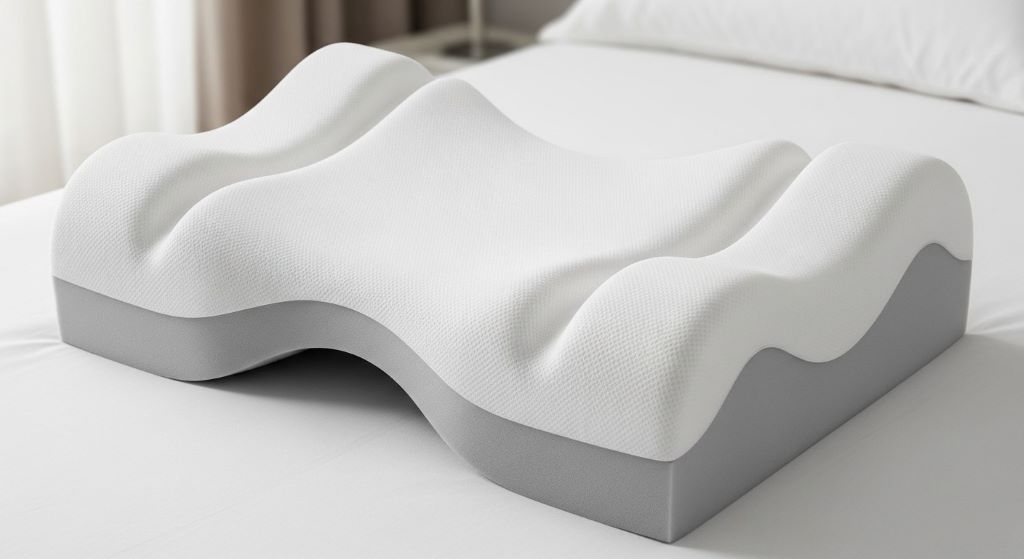
The key advantage lies in their ability to maintain the natural cervical curve throughout the night. Most orthopedic pillows feature distinct zones that cradle your head while providing firmer support under your neck. This dual-zone approach prevents your head from sinking too deeply while ensuring your neck doesn’t lack support.
Additionally, orthopedic designs often incorporate raised edges or bolsters that prevent your head from rolling side to side. This feature is particularly beneficial for restless sleepers who unconsciously change positions, as it helps maintain alignment even during movement.
The therapeutic benefits extend beyond just pain relief. Proper spinal alignment during sleep can improve breathing, reduce snoring, and enhance overall sleep quality. When your airways remain open and unobstructed, you achieve deeper, more restorative rest.
Many orthopedic pillows also address pressure distribution more effectively than traditional options. By spreading weight evenly across a larger surface area, they reduce pressure points that can cause discomfort and interrupt sleep.
How Contour Memory Foam Provides Targeted Support
Contour memory foam represents a significant advancement in pillow technology for back sleepers. This material responds to your body heat and weight, molding to your unique shape while providing consistent support throughout the night.
The contouring property means the pillow adapts to your specific neck curve rather than forcing your neck to adapt to a generic shape. This personalized fit delivers support exactly where you need it most. As the foam warms from your body heat, it becomes more pliable, creating a custom impression.
Memory foam also offers excellent motion isolation. If you share your bed with a partner, their movements won’t transfer through your pillow, helping you maintain undisturbed sleep. This stability contributes to better alignment maintenance throughout the night.
Another advantage involves the material’s resilience. Quality memory foam returns to its original shape after each use, providing consistent support night after night. Unlike traditional materials that flatten permanently, memory foam maintains its therapeutic properties for years.
However, not all memory foam is created equal. Density matters significantly, with higher-density foam generally offering better support and longevity. Look for foam with a density of at least 4 pounds per cubic foot for optimal results.
Choosing the Right Pillow Height and Loft
Loft refers to the height or thickness of your pillow, and getting this measurement right is crucial for back sleepers. The ideal loft depends on several personal factors, including your body size, shoulder width, and mattress firmness.
Generally, back sleepers need a medium loft pillow, typically between 4 to 6 inches thick. This height range maintains proper alignment for most people without pushing the head too far forward or allowing it to tilt backward. However, individual variation exists.
Larger individuals with broader shoulders often need slightly higher loft to maintain alignment. Conversely, petite individuals or those with narrow frames may find lower loft more comfortable and supportive. Your body’s proportions matter more than general guidelines.
Testing pillow height at home is straightforward. Have someone take a photo of you lying on your back with your current pillow. Your nose should point toward the ceiling, and your chin shouldn’t tilt toward your chest or up toward the ceiling. If either occurs, you need to adjust your pillow height.
Additionally, consider how your mattress affects loft requirements. If you recently purchased a new mattress with different firmness, you may need to reassess your pillow height to maintain proper alignment with your new sleeping surface.
Additional Features to Consider
Beyond basic support and material, several additional features can enhance your pillow’s effectiveness in relieving neck pain. These considerations help you find a pillow that addresses your specific needs and preferences.
Cooling technology has become increasingly important as people recognize how temperature affects sleep quality. Look for pillows with gel infusions, ventilated designs, or breathable covers that promote airflow. Staying cool throughout the night reduces tossing and turning that can compromise alignment.
Adjustability offers tremendous value, particularly if you’re unsure about your ideal loft. Some pillows include removable layers that let you customize the height. This feature allows you to fine-tune support as your needs change or as you transition to a new mattress.
Cover quality impacts both comfort and hygiene. Removable, washable covers make maintenance easier and help extend your pillow’s life. Look for covers made from breathable, hypoallergenic materials that wick moisture away from your skin.
Certifications provide assurance about materials and manufacturing. CertiPUR-US certification indicates that foam is made without harmful chemicals and meets strict standards for emissions and durability. This certification is particularly important for products you’ll have near your face for hours each night.
Edge support prevents the pillow from collapsing under your neck’s weight. Reinforced edges maintain their shape and provide consistent support, even after extended use. This feature is especially important for those who tend to sleep near the edge of their pillow.
The Adjustment Period and What to Expect
Switching to a new pillow, particularly one with therapeutic design features, requires an adjustment period. Your body needs time to adapt to the new support, and you may experience temporary discomfort before feeling the full benefits.
Most people need one to two weeks to fully adjust to a new pillow. During this time, your muscles and ligaments adapt to the improved alignment. You might initially feel strange or even slightly uncomfortable as your body relearns proper positioning.
Some people experience mild soreness during the first few nights. This reaction is normal and typically indicates that your neck is adjusting to a healthier position. However, if pain intensifies or persists beyond two weeks, the pillow may not be right for you.
Keep a sleep journal during the adjustment period. Note your pain levels each morning, how well you slept, and any other observations. This information helps you determine whether the pillow is working or if you need to try a different option.
Additionally, give your body time to respond between trying different pillows. Switching too frequently prevents you from accurately assessing each option’s effectiveness. Commit to each pillow for at least two weeks unless it causes severe discomfort.
Complementary Sleep Habits for Neck Pain Relief
Even the perfect pillow works best when combined with other healthy sleep habits. These complementary practices enhance the therapeutic benefits of proper pillow support and contribute to overall neck health.
Your sleeping position matters throughout the night. While you can’t control unconscious movement, you can establish good habits as you fall asleep. Place your arms at your sides rather than above your head, which can create shoulder and neck tension.
Pre-sleep stretching prepares your neck for rest. Gentle neck rolls, shoulder shrugs, and light stretches release accumulated tension from the day. Spend just five minutes on these exercises to notice significant improvements in comfort.
Room temperature affects sleep quality and muscle relaxation. Keep your bedroom between 60 and 67 degrees Fahrenheit for optimal sleep. Cooler temperatures help your body reach deeper sleep stages where healing and recovery occur.
Stress management plays a crucial role in neck pain. Many people unconsciously tense their neck and shoulder muscles when stressed. Practice relaxation techniques like deep breathing or meditation before bed to release this tension.
Screen time before bed can contribute to neck strain. Looking down at phones or tablets for extended periods stresses the neck. Additionally, blue light disrupts sleep quality. Establish a screen-free period of at least 30 minutes before sleep.
When to Replace Your Pillow
Even the highest-quality pillows eventually lose their effectiveness and need replacement. Knowing when to invest in a new pillow helps you maintain consistent neck support and pain relief.
Most quality foam pillows last three to five years with proper care. However, several signs indicate it’s time for a replacement regardless of age. If your pillow no longer returns to its original shape after you remove your head, it has lost its supportive properties.
Visible wear, including lumps, indentations, or flattened areas, signals degradation. These imperfections prevent the pillow from providing uniform support. Even if the pillow still seems comfortable, these defects compromise its therapeutic benefits.
Returning neck pain after a period of relief often indicates your pillow has worn out. If you previously found relief but pain has gradually returned, your pillow likely needs replacement. Don’t wait for pain to become severe before taking action.
Additionally, changes in your body or sleeping situation may necessitate a new pillow. Weight changes, new mattress purchases, or medical conditions can alter your support needs. Reassess your pillow whenever significant life changes occur.
Odors that persist despite washing or airing indicate it’s time for replacement. While this doesn’t directly affect support, it suggests material breakdown and potential allergen accumulation that can affect overall sleep quality.
Proper Pillow Care and Maintenance
Extending your pillow’s life and maintaining its therapeutic properties requires proper care. Following manufacturer guidelines and implementing good maintenance habits protects your investment and ensures consistent support.
Use a pillow protector under your regular pillowcase. This barrier shields the pillow from oils, sweat, and dead skin cells that accelerate deterioration. Protectors are easier to wash frequently than the pillow itself.
Wash removable covers regularly according to manufacturer instructions. Most covers can be machine washed monthly, though check labels for specific temperature and drying recommendations. Regular cleaning prevents allergen buildup and maintains hygiene.
Air out your pillow weekly by removing it from the bed for several hours. This practice allows moisture to evaporate and prevents mildew growth. Place it in a well-ventilated area, but avoid direct sunlight, which can break down foam materials.
Avoid folding or compressing your pillow for storage. These actions can damage the internal structure and create permanent indentations. If you must store your pillow, lay it flat in a breathable container.
Check your pillow monthly for signs of wear. Early detection of problems allows you to address issues or plan for replacement before your neck pain returns. This proactive approach maintains consistent relief.
Making the Investment Worth It
Quality pillows designed for neck pain relief represent a significant investment compared to basic options. However, understanding the value proposition helps justify the expense and ensures you maximize your return.
Calculate the cost per night over the pillow’s expected lifespan. A quality pillow lasting four years costs just pennies per night. When you consider the value of pain-free mornings and better sleep, the investment becomes remarkably reasonable.
Consider the broader health implications. Chronic neck pain can lead to headaches, reduced productivity, and increased healthcare costs. A therapeutic pillow that prevents these issues saves money in the long run while improving your quality of life.
Take advantage of trial periods offered by many manufacturers. These risk-free trials let you test the pillow in your own home without financial commitment. Read the terms carefully to understand return procedures and any associated costs.
Research warranty coverage before purchasing. Quality manufacturers stand behind their products with warranties ranging from one to five years. This coverage protects your investment and provides recourse if defects develop.
Don’t compromise on quality to save money. Budget pillows may seem attractive initially, but they often fail to provide adequate support and require frequent replacement. Investing in quality saves money and frustration over time.
Conclusion
Relieving neck pain as a back sleeper starts with understanding how proper pillow support maintains your spine’s natural alignment. The right pillow fills the gap between your mattress and neck, keeping your head at a height that allows muscles to relax completely throughout the night. Traditional pillows often fall short because they compress over time and lack the targeted support needed for pain relief.
Orthopedic pillows designed specifically for therapeutic support offer significant advantages over conventional options. These specialized designs maintain the cervical curve and prevent common alignment problems that cause neck pain. Contour memory foam takes this support further by adapting to your unique shape while providing consistent, resilient support night after night.
Choosing the right pillow involves considering multiple factors including loft, materials, additional features, and your individual needs. Remember that an adjustment period is normal, and combining your new pillow with healthy sleep habits maximizes the benefits. Proper care and timely replacement ensure your pillow continues providing the support your neck needs.
Investing in a quality pillow designed for back sleepers addresses the root cause of neck pain rather than just masking symptoms. The improved sleep quality, reduced pain, and enhanced overall health make this investment one of the most valuable you can make for your wellbeing.
Frequently Asked Questions
How long does it take to notice pain relief with a new pillow?
Most people begin noticing improvement within the first week of using a properly supportive pillow. However, complete relief may take two to four weeks as your muscles and ligaments adjust to the improved alignment. Some individuals experience immediate relief, while others need more time for their bodies to adapt. If you don’t notice any improvement after four weeks, the pillow may not be right for your specific needs.
Can a pillow alone cure chronic neck pain?
While a proper pillow can significantly reduce or eliminate neck pain for many people, it may not be a complete solution for everyone. Chronic neck pain can result from multiple factors including posture during the day, previous injuries, medical conditions, or muscle imbalances. A supportive pillow addresses the sleep component, but you may need to combine it with stretching, strengthening exercises, or professional treatment for comprehensive relief.
Should I consult a doctor before changing pillows?
If you have chronic or severe neck pain, consulting a healthcare provider before making changes is wise. They can rule out serious underlying conditions and provide personalized recommendations. However, if your pain is mild and clearly related to sleep position, trying a new pillow is generally safe. If pain worsens or doesn’t improve after a month with proper support, schedule a medical evaluation.
Is memory foam safe for people with allergies?
Quality memory foam is typically hypoallergenic and resistant to dust mites, making it suitable for most allergy sufferers. However, some people are sensitive to the chemicals used in foam production. Look for pillows with CertiPUR-US certification, which ensures the foam is made without harmful chemicals. Additionally, using a hypoallergenic pillow protector adds an extra barrier against allergens.
Can I use an orthopedic pillow if I sometimes sleep on my side?
Many people alternate between back and side sleeping throughout the night. Some orthopedic pillows work well for combination sleepers, while others are specifically designed for one position. If you frequently change positions, look for pillows marketed for combination sleepers or consider an adjustable option that works for multiple positions. Pure side sleepers typically need higher loft than back sleepers, so your primary sleeping position should guide your choice.
Related Topics:
Understanding and Managing Shoulder Pain: Tips for Relief