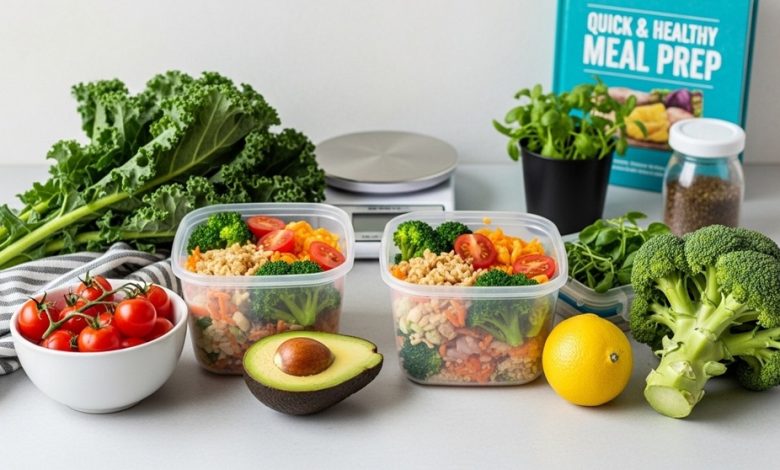
In today’s fast-paced world, preparing healthy meals for a busy week can feel overwhelming. With work, family commitments, and a never-ending to-do list, it’s easy to resort to quick, unhealthy meals. However, eating well is essential for maintaining energy, productivity, and overall health. In this guide, we’ll show you how to prepare healthy meals for a busy week without sacrificing taste, nutrition, or time.
What is the Importance of Preparing Healthy Meals for a Busy Week?
Preparing healthy meals for the week is crucial for maintaining good health. Not only does it save time, but it also helps you avoid the temptation of unhealthy takeout or processed foods. By preparing your meals in advance, you gain more control over what you eat, which can lead to better weight management, improved digestion, and more energy throughout the week.
How Can You Plan Your Meals for the Week Effectively?
Why is Meal Planning Important?
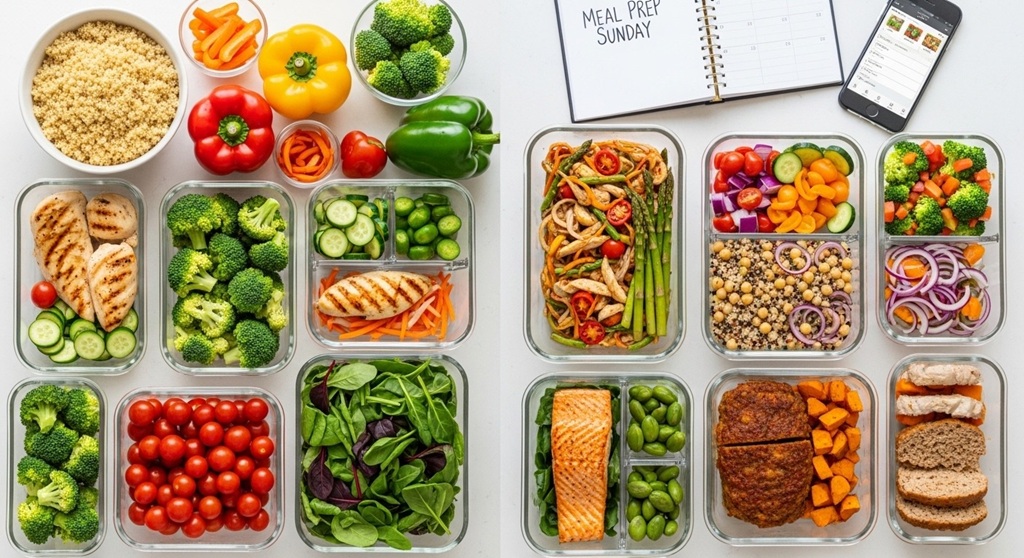
Meal planning is the foundation of healthy eating during busy weeks. It allows you to prepare in advance, reduce decision fatigue, and make sure you’re eating balanced meals throughout the week. A well-planned meal schedule helps save time, reduces food waste, and ensures you’re sticking to your health goals.
How to Plan Healthy Meals for a Week?
- Start by choosing simple, nutritious recipes that you can batch cook.
- Focus on meals that can be prepped in large quantities, such as casseroles, stir-fries, soups, or grain bowls.
- Use seasonal produce for freshness and cost savings.
- Consider your time limitations – choose meals that can be made in 30 minutes or less.
- Ensure your meals include a good balance of protein, healthy fats, and vegetables.
How Can You Save Time and Still Eat Healthy?
What Are Some Time-Saving Tips for Healthy Meal Prep?
When time is tight, meal prep is your best friend. By dedicating one or two hours on the weekend to meal prep, you’ll set yourself up for success the whole week. Here are some tips:
- Batch Cook: Prepare large portions of meals that can be eaten throughout the week. For example, cook a big batch of quinoa, chicken, or roasted vegetables and store them in the fridge for easy access.
- Use One-Pot Meals: Save time by cooking meals in one pot or sheet pan, such as a veggie-loaded stir-fry or roasted chicken with vegetables.
- Prep Ingredients Ahead: Chop vegetables, marinate proteins, and measure out grains in advance. Store them in containers so they’re ready to be cooked during the week.
- Cook in Bulk: Prepare meals like soups, stews, or chili in large batches. These dishes can easily be frozen for later use.
How Can You Incorporate Healthy Snacks into Your Meal Prep?
Snacking doesn’t have to derail your health goals. Prepare healthy snacks like fruit, nuts, and yogurt in advance to ensure you’re always equipped with nutritious options when hunger strikes. Portion them into containers for grab-and-go convenience.
What Are Some Easy Healthy Meal Prep Recipes?
What Are Some Breakfast Ideas?
- Overnight Oats: A quick, nutritious breakfast that can be made the night before with oats, almond milk, chia seeds, and your favorite fruit.
- Egg Muffins: Bake eggs, spinach, cheese, and your favorite veggies in muffin tins. These are perfect for busy mornings.
- Chia Pudding: Mix chia seeds with almond milk and let it sit overnight. Top with fresh fruit and nuts.
What Are Some Lunch and Dinner Ideas?
- Quinoa Salad: A filling salad made with quinoa, roasted vegetables, chickpeas, and a simple dressing.
- Chicken Stir-Fry: Quickly sauté chicken and vegetables in olive oil and soy sauce for a healthy, balanced meal.
- Grain Bowls: Cook grains like brown rice or farro, then top with a protein (chicken, tofu) and veggies (avocado, spinach, sweet potatoes).
- Vegetable Soup: Make a hearty soup with seasonal vegetables, beans, and broth. Freeze portions for later use.
What Are Some Snack Ideas?
- Fruit and Nut Butter: Slice apples or bananas and pair with almond or peanut butter for a balanced snack.
- Hummus and Veggies: Cut up carrots, cucumbers, or bell peppers and dip in hummus for a satisfying snack.
- Yogurt and Granola: Keep individual servings of Greek yogurt and top with homemade granola for a protein-packed snack.
How Can You Store and Reheat Your Prepped Meals?
What Are the Best Storage Practices for Meal Prep?
- Use Airtight Containers: Store meals in airtight containers to keep them fresh throughout the week.
- Label and Date: Label containers with the meal name and date to ensure you eat them within a safe time frame.
- Freeze for Long-Term Storage: If you plan to make meals ahead of time, freezing them can help preserve them for several weeks.
How to Reheat Prepped Meals Without Losing Nutrients?
To retain the most nutrients while reheating, avoid using a microwave if possible. Reheat meals on the stovetop or in the oven for more even heating. You can add a splash of water or broth to prevent meals from drying out during reheating.
Conclusion: How to Stick to Healthy Eating During a Busy Week?
By planning ahead, using time-saving techniques, and sticking to simple, nutritious recipes, you can make healthy eating a reality during even the busiest weeks. Meal prepping doesn’t have to be complicated—it’s about making intentional choices that serve your health goals. Start small, build your meal prep routine, and soon, eating healthy will feel effortless.
Take Action Today: Begin by planning your meals for the upcoming week and try a few of the recipes we’ve suggested. Healthy eating is possible, even with a busy schedule—let’s make it work for you!
FAQ: Frequently Asked Questions
How can I meal prep with a tight budget?
Meal prepping on a budget is achievable by focusing on cost-effective ingredients like beans, rice, lentils, and frozen vegetables. Buying in bulk and planning meals around sales can also help you save money while preparing healthy meals.
What is the best meal prep container to use?
Glass containers with airtight lids are the best for storing prepped meals as they help maintain freshness and are microwave safe. BPA-free plastic containers are also an option for convenience and portability.
How long do meal preps last in the fridge?
Most meal preps last about 3-4 days in the fridge. Meals with meats or dairy should be consumed sooner, while vegetarian meals or those without protein can last up to 5 days.
Can I meal prep for breakfast, lunch, and dinner?
Absolutely! Meal prepping breakfast, lunch, and dinner ensures that you have healthy options ready all day. Try batch cooking oatmeal or egg muffins for breakfast, salads or grain bowls for lunch, and stir-fries or soups for dinner.
How do I keep my meal prep from getting boring?
To avoid meal prep fatigue, vary your protein sources, use different spices and herbs, and rotate between different cuisines (e.g., Mediterranean, Mexican, Asian) for variety and excitement.
Can I freeze my prepped meals?
Yes, most meal prep can be frozen, especially dishes like soups, stews, and casseroles. Just make sure to store them in airtight containers to avoid freezer burn.
Read More Also: 5 Ways to Manage Cell Skin Cancer
Find out: The Benefits of Taking CBD Capsules – A Comprehensive Guide